
Guide for UK employers
Prescription Medicines, CBD and Workplace Drug Tests
By DNA Workplace · Published 16 November 2026 · 8 min read
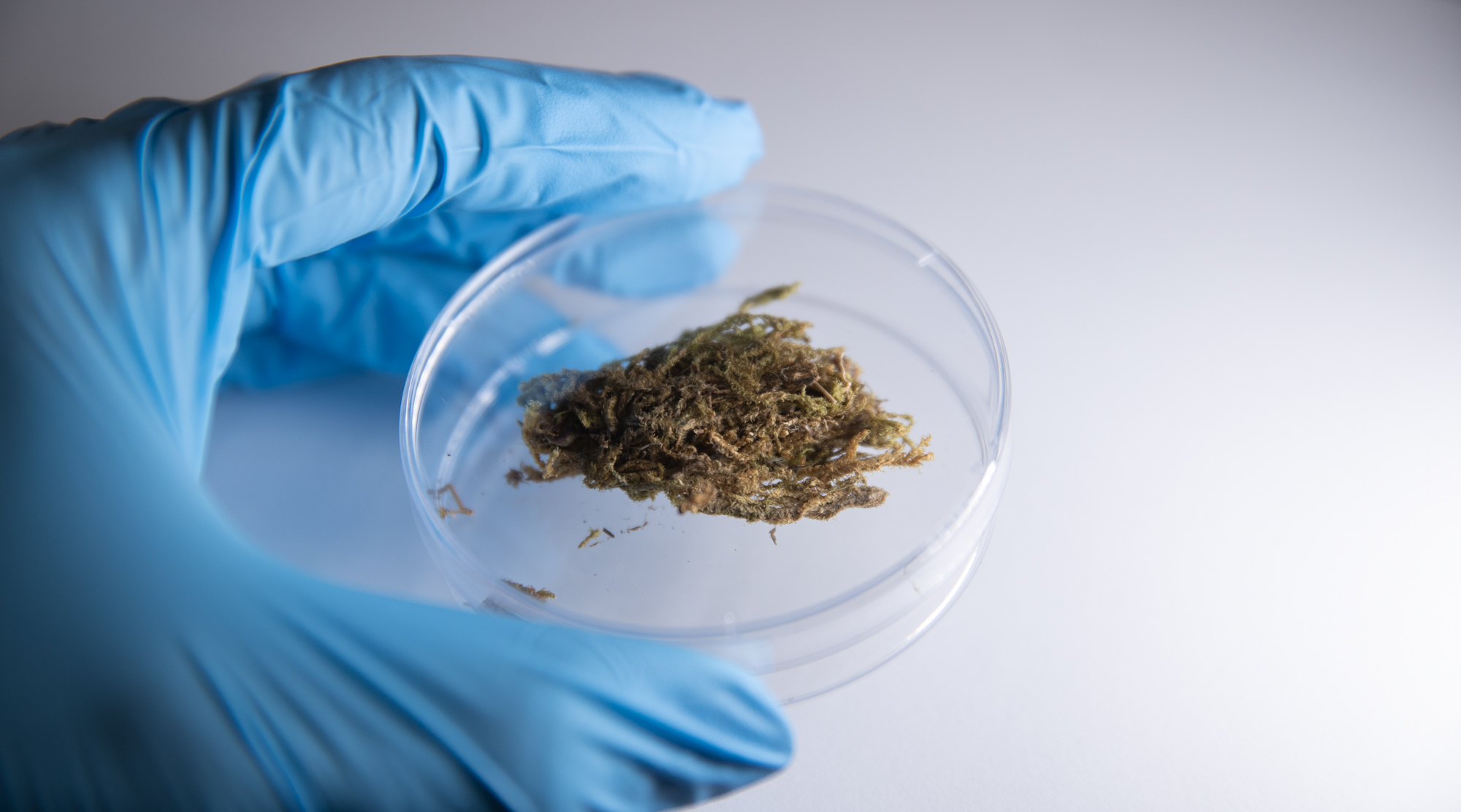
Plenty of people who take a workplace drug test are taking something perfectly legal: a painkiller containing codeine, a prescribed sleeping tablet, prescribed medical cannabis or CBD oil from the high street. Whether it's a pre-employment check or a random test, some of these can produce a non-negative result. That doesn't make anyone a drug user. It does mean employees and employers both need to know how medicines are handled in workplace drug and alcohol testing.
This isn't medical advice. If you have questions about your own medication, speak to your prescriber or pharmacist.
The short version
Declare every medicine you take, including over-the-counter painkillers, CBD products and prescribed medical cannabis.
A screening test can flag a medicine. Laboratory confirmation and a medical review decide what the result means.
A result explained by a valid prescription isn't misconduct. The question is whether the person can do their job safely.
Employers should say in their policy how medicines, CBD and medical cannabis are handled.
Quick guide: medicines and workplace drug tests
Medicine or product | Can it show up? | What to do |
|---|---|---|
Codeine painkillers (prescription or over the counter) | Yes, as an opiate. The body converts some codeine to morphine. | Declare it. Laboratory confirmation and medical review show whether it explains the result. |
Diazepam, lorazepam, temazepam and other benzodiazepines | Yes, if the panel includes benzodiazepines, which standard workplace panels commonly do. | Declare it, and talk to your doctor about drowsiness and driving. |
Tramadol, oxycodone, fentanyl | Only if the panel tests for them separately from opiates. | Declare it. |
Amphetamine-based medicines, such as dexamfetamine | May show as amphetamine, depending on the panel. | Declare it. |
Gabapentin, pregabalin, zopiclone, zolpidem | Only if the panel includes them. | Declare it. |
Prescribed medical cannabis containing THC | Yes, as cannabis (THC). A test can't tell it from illegal cannabis. | Declare it at every test and keep evidence of the prescription ready. |
CBD oil and other CBD products | They can, if they contain THC. | Declare it, and check what your policy says. |
Codeine and other opiates
Codeine is found in many painkillers, both on prescription and over the counter. The MHRA explains that the body converts codeine to morphine in the liver, so after taking codeine a test can find both.
An opiates screen can't tell codeine from a painkiller apart from heroin. Laboratory confirmation can, because it identifies the specific substances present, including a marker found only after heroin use.
Benzodiazepines
Benzodiazepines such as diazepam, lorazepam and temazepam are prescribed for problems including anxiety and sleeplessness. They are commonly included in workplace drug test panels, so expect a standard test to look for them.
They can also cause drowsiness. The government lists six benzodiazepines, including diazepam and lorazepam, among the medicines people should talk to their doctor about before driving.
Prescription opioids and other medicines
Other opioid painkillers, such as tramadol, oxycodone and fentanyl, are tested for separately from opiates such as codeine and morphine. Whether they show up depends on what is on the panel. DNA Workplace's 10-panel urine and saliva kits, for example, both include tramadol and EDDP (a breakdown product of methadone), and the urine kit also tests for buprenorphine.
Other prescribed medicines that may show up, depending on the panel, include:
amphetamine-based medicines, such as dexamfetamine
gabapentin and pregabalin
sleeping tablets known as Z-drugs, such as zopiclone and zolpidem
medical cannabis, which contains THC
Some medicines can also cross-react with a screening test for a different drug. The ICO warns that some test kits may fail to tell an illegal drug from a legitimate pharmaceutical, which is one reason a screening result is never the final word.
CBD products and THC
Pure CBD isn't a controlled drug in the UK, but THC, the main psychoactive compound in cannabis, is Class B. The Home Office says it is highly likely that CBD products will contain controlled cannabinoids, because separating CBD from them is so difficult. The NHS warns that there's a good chance CBD products bought online contain THC.
Workplace cannabis tests look for THC or its breakdown products, not CBD. So a CBD product that contains THC can lead to a non-negative result for cannabis. A confirmed result shows THC, not where it came from, so your policy should say how a result linked to a CBD product will be treated, and whether people in safety-critical roles should avoid CBD products altogether.
Medical cannabis
Medical cannabis has been legal on prescription in the UK since 2018, when the law changed to allow specialist doctors to prescribe cannabis-based products for medicinal use. It is still a controlled drug, but someone who has been prescribed it is taking it lawfully, just like someone prescribed codeine or diazepam.
The NHS says most medical cannabis products contain some THC. Not all do: Epidyolex, a purified CBD medicine prescribed for some rare forms of epilepsy, contains no THC.
That matters for testing, because a drug test can't tell prescribed cannabis from illegal cannabis. Both contain THC and the body breaks it down in the same way, so the laboratory finds the same substances whatever the source. The only thing that separates them is the prescription.
Declare it
Anyone prescribed medical cannabis should declare it at every test, and be ready to give the medical review officer (MRO) evidence of the prescription, such as details from their prescribing clinic. The MRO can then report the result as negative, as they would for any other declared medication.
Treat it like any other prescribed medicine
A positive result explained by a valid prescription isn't misconduct. The questions that follow are the ones you'd ask about any medicine that can affect alertness: is the person fit to do their job safely, and are any adjustments needed? Occupational health should help answer them. Make sure your policy says this, so a THC result is never treated as proof of illegal drug use before prescriptions have been checked.
Why declaring medication matters
At the collection, the person being tested should be asked about any medicines they've taken, and their answer should be recorded on the chain of custody form, the paperwork that tracks the sample. Good practice is to record both prescribed and non-prescribed medication taken recently. The European Workplace Drug Testing Society (EWDTS) publishes guidelines for workplace testing, available from EWDTS on request.
That declaration should go to the person reviewing the results, usually an MRO, not the line manager. The MRO can report a positive result as negative where declared medication, or another valid medical explanation, accounts for it.
Medical review and laboratory confirmation
A fair process runs in this order:
An on-site or laboratory screen flags a non-negative result.
The laboratory confirms which substances are present using chromatography with mass spectrometry.
An MRO reviews the result alongside the medication declaration, speaking to the person where needed.
The employer receives a final result, without unnecessary medical detail.
The ICO adds that if a test reveals medication for a minor condition that has no bearing on someone's job, the employer shouldn't record or use that information. Our guide to what to do after a non-negative result covers the steps in more detail.
Fitness for work is the real question
A result explained by prescribed medication isn't a disciplinary matter. But the medicine itself may still affect someone's ability to work safely, especially if it causes drowsiness and the job involves driving, machinery or work at height. That's a question for occupational health, not a test result.
For people who drive, it's illegal in England, Scotland and Wales to drive if any drug, legal or not, makes you unfit to drive. The drug-driving law allows people to drive above the specified limits for certain medicines if they were prescribed them, followed their healthcare professional's advice on taking them, and aren't unfit to drive.
The condition someone is being treated for may also be a disability under the Equality Act 2010. Take occupational health advice and consider reasonable adjustments before making any decisions.
If you're a manager dealing with a concern right now, our reasonable suspicion checklist takes you through it step by step.
Advice for employees
Declare everything you've taken recently, including over-the-counter painkillers, cold remedies, CBD products and prescribed medical cannabis.
Don't stop taking a prescribed medicine because of a test. Speak to your prescriber or pharmacist first.
If you're not sure whether a medicine affects your ability to work safely or drive, ask your doctor or pharmacist.
Tell your employer, as your policy requires, if a medicine might affect your safety at work. You usually don't need to share your diagnosis with your manager, but follow your employer's policy, because some safety-critical roles require information to go to occupational health.
How DNA Workplace can help
DNA Workplace supports employers with laboratory-confirmed testing, policy wording on medication, medical cannabis and CBD, and awareness training for managers and staff, so a medicine doesn't turn into a misunderstanding.
Looking to introduce or review your workplace drug and alcohol testing programme? Contact DNA Workplace to discuss your requirements.
Frequently asked questions
Will CBD oil make me fail a drug test?
It can, if the product contains THC. The Home Office says it is highly likely that CBD products contain controlled cannabinoids such as THC. Workplace tests look for THC, not CBD.
Will prescribed medical cannabis show up on a drug test?
Yes, if it contains THC, as most medical cannabis products do. A test can't tell it apart from illegal cannabis, so declare your prescription every time and be ready to show evidence of it.
Should medical cannabis be treated differently from other prescribed medicines?
No. A positive result explained by a valid prescription should be handled like any other prescribed medicine: as a question of fitness for work, not misconduct.
Can codeine cause a positive drug test?
Yes. Codeine can screen positive for opiates, and the body converts some of it to morphine. Laboratory confirmation and medical review show whether a declared painkiller explains the result.
Should I tell the collector what medication I'm taking?
Yes. Your declaration goes to the person reviewing the results and can allow a positive result to be reported as negative where your medication explains it.
Can I be disciplined for taking prescribed medication?
A positive result explained by medication you've been prescribed shouldn't be treated as misconduct. Your employer may still need to look at whether the medicine affects your ability to do a safety-critical job safely.
Is CBD legal in the UK?
Pure CBD isn't controlled, but many CBD products contain small amounts of controlled cannabinoids such as THC. The Food Standards Agency also advises healthy adults to limit CBD from food to 10 mg a day.
More guides for employers
- How to Write a Workplace Drug and Alcohol Policy
- Is Workplace Drug and Alcohol Testing Legal in the UK?
- Urine, Saliva or Breath: Which Workplace Test Should You Use?
- How Long Do Drugs Stay in Your System? Detection Times for Workplace Testing
- Drug and Alcohol Testing in Safety-Critical Industries
- What to Do After a Non-Negative Workplace Drug Test Result
- Reasonable Suspicion Drug Testing: A Manager's Checklist
This guide is general information for UK employers and is not legal advice. Laws and official guidance change, so take advice on your own circumstances before relying on it. Where a guide relies on an official source, the source is linked in the text.
DNA Workplace Limited · Company No. 11036947 · Unit G1, Frome Business Park, Manor Road, Marston Trading Estate, Frome BA11 4FN